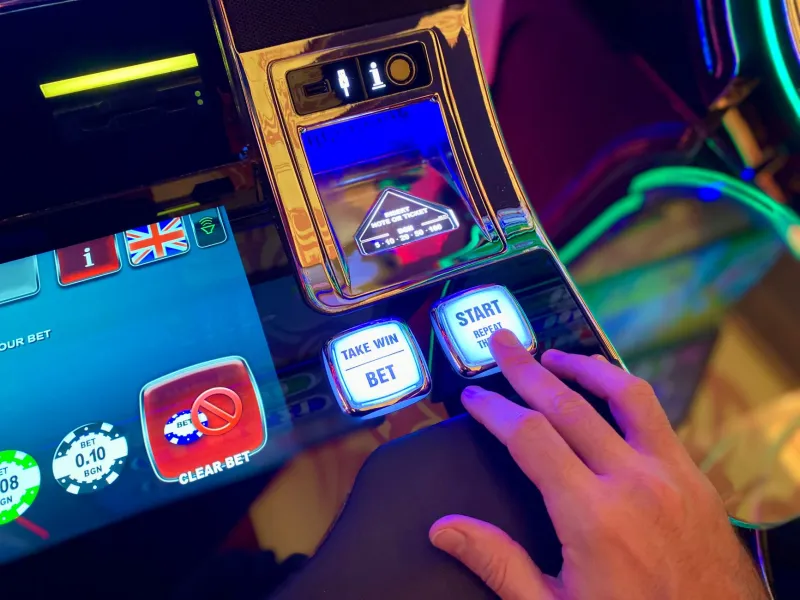
Faster Doesn't Mean Smarter: The Data That Should Make Every Aussie Casino Player Pause

There's something deeply satisfying about playing at pace. Clicking fast, making calls quickly, keeping the reels spinning — it feels like you're in command. Like you're reading the game, staying ahead of it, making sharp decisions under pressure. For a lot of Aussie players, that sensation of speed is practically inseparable from the feeling of being good at casino gaming.
But here's the uncomfortable truth: that feeling is largely a trick your brain is playing on you. And the data backs that up.
The Illusion Is Real — and It's Specifically Designed That Way
Psychologists have a name for what happens when we feel more in control than we actually are: the illusion of control. First studied in depth by Ellen Langer back in the 1970s, the concept describes how humans consistently overestimate their ability to influence outcomes that are, in reality, governed by chance.
Casino environments — both physical and digital — are exceptionally good at triggering this illusion. And fast-paced gameplay amplifies it significantly.
When you're moving quickly through a session, your brain interprets the volume of decisions as evidence of skill. You chose to spin now. You decided to increase your bet there. You picked this game over that one. Each micro-choice feels meaningful, and the rapid feedback loop of wins and near-misses reinforces the sense that your judgment is being tested and rewarded.
In reality, the outcomes on RNG-based games are completely independent of your timing, your pace, or your gut feeling. The machine doesn't know — or care — whether you deliberated for ten seconds or hammered the button in under one.
What the Research Actually Shows About Fast Play
Several behavioural studies have looked specifically at how session speed affects player outcomes and decision quality. The findings are pretty consistent, and not particularly flattering for fans of the rapid approach.
One key finding: players who engage in faster sessions tend to make significantly more impulsive bet size changes. Rather than sticking to a predetermined strategy, they escalate after losses (classic chasing behaviour) and reduce bets after wins — essentially doing the opposite of what sound bankroll management would suggest.
Another pattern researchers have documented is what's sometimes called temporal discounting under pressure. In plain English: when we're moving fast, we systematically undervalue future consequences in favour of immediate action. The potential cost of a bad bet matters less when you're already mentally committed to the next spin before the current one has finished resolving.
For Aussie players who pride themselves on being switched-on and strategic, this is worth sitting with. Speed doesn't make you sharper — it actively degrades the quality of your in-session decision-making.
Why the "I'm in Control" Feeling Is So Convincing
Part of what makes this illusion so sticky is that casino games are cleverly structured to reward it — at least in the short term.
Near-misses, for example, are particularly powerful. When two matching symbols land and a third just misses, your brain processes that almost like a win. It reinforces the idea that you almost got it right, that your timing was close, that with just a bit more focus you'd have nailed it. Speed makes these near-misses land harder, because you're experiencing more of them per hour and your brain doesn't have the processing time to rationalise them away.
Bonus features and interactive elements add another layer. Games that let you pick tiles, select multipliers, or make in-round choices create genuine moments of agency — but they're carefully calibrated so the underlying maths doesn't change based on what you pick. The sense of participation is real; the influence over outcomes is not.
When you're playing fast, you're consuming these psychological triggers at an accelerated rate, which compounds the illusion rather than cutting through it.
The Slower Player Advantage Nobody Talks About
Here's where it gets interesting for anyone who actually wants to get more out of their casino sessions: deliberate, measured play consistently produces better outcomes — not because the odds change, but because the player does.
Slowing down creates space for the kind of thinking that actually matters in a casino context. Which game genuinely fits your current bankroll? Is this session tracking the way you planned, or have you drifted from your original stake level? Are you still enjoying this, or are you just going through the motions?
These aren't complex strategic calculations — they're basic self-awareness checks. But they're almost impossible to perform when you're locked into a fast rhythm. Speed collapses the gap between impulse and action, and that gap is exactly where smart play lives.
Some experienced players in Australia have started deliberately building in what they call "reset moments" — brief pauses every 15 to 20 minutes to reassess where they're at. It sounds almost too simple, but the effect on session clarity is significant. You break the autopilot loop and force a genuine moment of evaluation.
Speed as a Feature, Not a Benefit
It's worth being clear about something: fast gameplay isn't inherently bad, and there's nothing wrong with enjoying the pace of a rapid session. Modern online casino platforms — including the kind you'll find at RocketPlay AU — are built for speed because players genuinely enjoy it. Snappy load times, instant results, streamlined interfaces — these are real quality-of-life improvements.
The problem isn't the speed itself. It's the belief that speed is giving you an edge when the data says it isn't.
Think of it like driving. A faster car doesn't make you a better driver — it just means the consequences of poor judgment arrive sooner. The skill is in knowing how to use the capability responsibly rather than assuming it automatically translates to performance.
The same logic applies at the casino. You can absolutely play at pace and enjoy the ride. But if you're telling yourself that your quick instincts and rapid-fire decisions are giving you an advantage over the house maths — that's the illusion talking, not the evidence.
What to Actually Do With This Information
Knowing that speed undermines your sense of reality at the tables is useful, but only if you translate it into practical habits. A few things worth trying:
Set a pace floor, not just a budget ceiling. Most players think about session limits in terms of money. Try also setting a minimum time per decision for games that allow it — even five or ten seconds of deliberation before a bet change makes a measurable difference.
Track your bet drift. After a session, look at whether your average stake changed over time. Upward drift — especially in the second half of a session — is a classic sign that the illusion of control has taken over and you've started chasing.
Choose games that naturally slow the pace. Live dealer tables, for instance, have an inherent rhythm that prevents the kind of machine-gun clicking that slots can encourage. That built-in pacing acts as a buffer against impulsive decision-making.
Notice the near-misses. Not to act on them — but to recognise them for what they are. When you catch yourself thinking "I almost had it," that's a signal to pause rather than accelerate.
The appeal of fast casino play is real, and it's not going away. But the players who get the most out of their sessions are the ones who can enjoy the speed without being deceived by it.