Stress, Speed, and Spiralling Losses: What Happens When Life's Pressure Follows You to the Casino
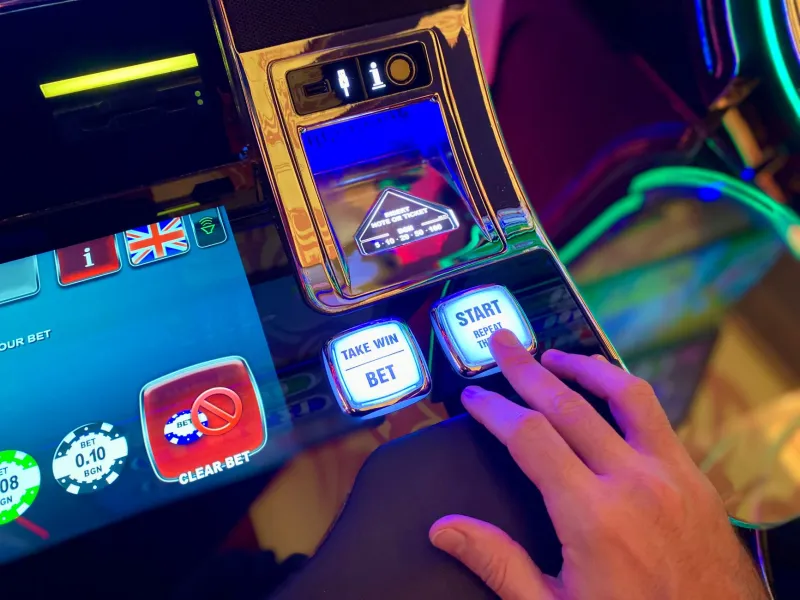
Everyone's had one of those weeks. The boss is breathing down your neck, the rent's gone up again, and the traffic on the M1 was an absolute nightmare. By the time you're sinking into the couch on Thursday evening, the idea of a few fast-paced spins feels less like gambling and more like a well-earned exhale.
Here's the uncomfortable truth, though: that instinct to decompress at the casino — particularly the urge to play fast — isn't random. It's your stressed brain running a very predictable script. And understanding that script could save you a lot more than a few dollars.
Why Stress Makes You Crave Speed in the First Place
When you're under pressure, your brain's reward circuitry shifts into overdrive. Cortisol — the hormone your body produces during stress — actively suppresses the prefrontal cortex, which is basically your internal risk calculator. At the same time, it amplifies your sensitivity to dopamine hits. In plain English: you become more impulsive and more hungry for quick rewards.
Fast casino games — think rapid-spin pokies, turbo blackjack, or crash-style games — are almost perfectly engineered to satisfy that craving. They deliver frequent micro-rewards, short feedback loops, and constant stimulation. For a stressed brain desperately seeking relief, they're irresistible.
Australian research into gambling behaviour has consistently flagged emotional state as one of the strongest predictors of problematic play. Players who begin a session already feeling anxious, frustrated, or overwhelmed are significantly more likely to increase their bet sizes, shorten their decision windows, and extend their sessions well past their original intentions.
The Escape Mechanism You Probably Don't Realise You're Using
Here's where it gets a bit psychological. When life feels chaotic or out of control, fast-paced gaming offers something surprisingly appealing: a structured environment where outcomes happen quickly, rules are clear, and you get immediate feedback.
Compared to the murky complexity of a stressful job situation or a difficult relationship, a pokie that resolves in two seconds feels almost orderly. That sense of control — even if it's largely illusory — is genuinely comforting to an anxious mind.
The problem is that this comfort comes at a cost. When you're playing to escape rather than to enjoy, you're not making rational decisions. You're chasing relief, not outcomes. And chasing relief tends to mean:
- Faster bet placement with less consideration of stake size
- Longer sessions because stopping means returning to the stress you fled
- Escalating bets when early losses feel like yet another thing going wrong
- Ignoring your pre-set limits because emotional reasoning overrides logical planning
This is sometimes called the pressure trap — and it's one of the more insidious patterns in recreational gambling, precisely because it doesn't feel like a problem in the moment. It feels like a coping mechanism.
What the Data Tells Us About Aussie Players Specifically
Australia already has one of the highest per-capita gambling participation rates in the world, and fast-paced digital gaming has accelerated that trend considerably. The shift toward mobile-first casino platforms means the barrier between a stressful moment and a gaming session is now almost zero — a few taps and you're in.
Behavioural economists who study Australian gambling patterns have noted a consistent correlation between periods of economic uncertainty — rising cost of living, housing stress, job insecurity — and upticks in both session frequency and average bet size. Stress at a societal level translates directly into stress at the individual player level, and that stress reliably pushes people toward faster, higher-risk play.
The irony is brutal: the times when Aussies feel most financially pressured are exactly the times they're most likely to make costly decisions at the casino.
Recognising Your Own Emotional Triggers
The good news is that awareness is genuinely powerful here. Once you know what the pressure trap looks like, you can catch yourself before you fall into it. A few honest questions worth asking before you log on:
How am I actually feeling right now? If the honest answer involves words like stressed, frustrated, angry, or anxious, that's a flag worth paying attention to. It doesn't mean you can't play — but it does mean you should be extra deliberate about your session.
Why do I want to play fast-paced games specifically? There's nothing wrong with preferring rapid-fire slots or turbo table games. But if that preference feels especially urgent tonight, ask yourself whether the appeal is the game itself or the speed of the distraction.
Am I playing within a plan, or am I improvising? Stress tends to dissolve pre-session intentions. If you've already forgotten the limits you set for yourself before you started, that's your brain's stress response doing the driving.
Practical Strategies to Break the Cycle
None of this means you need to swear off fast casino games during difficult periods — that's an unrealistic ask. What it does mean is building a few guardrails that work with your psychology rather than against it.
Create a decompression buffer. Give yourself 15 to 20 minutes between whatever stressed you out and opening your casino app. Go for a short walk, make a coffee, watch something mindless. That window lets cortisol levels drop and your prefrontal cortex get back online.
Set tighter limits on high-stress days. If you know it's been a rough one, drop your session budget by half before you start. You're not penalising yourself — you're just accounting for the fact that your decision-making is operating at reduced capacity.
Choose slower games deliberately. If you're stressed and you know it, deliberately picking a slower-paced game is a counterintuitive but effective move. It removes the speed-as-escape dynamic and forces a slightly more considered pace.
Use platform tools proactively. Most reputable Australian online casinos offer session time reminders, deposit limits, and reality check prompts. These aren't just for people with serious gambling issues — they're useful for anyone who wants an external check on emotionally-driven decisions.
Keep a brief session log. It doesn't have to be elaborate — just jot down your mood before you play and your session outcome afterward. Over time, patterns become obvious, and obvious patterns are much easier to manage.
The Bottom Line
Fast casino gaming is genuinely entertaining, and there's real pleasure in the rapid rhythm of a well-designed pokie or a quick-fire card game. That's not the problem. The problem is when stress hijacks that enjoyment and turns a fun session into a pressure-release valve — one that tends to leak more money than you planned.
At RocketPlay AU, we're all about the thrill of fast-paced play. But launching into a session with a stressed-out mindset is a bit like firing a rocket without checking the fuel gauge first. Know your emotional state, build your limits around it, and you'll keep the experience exactly what it should be: a genuine good time.
Play fast. Play smart. And make sure it's actually you making the decisions — not the cortisol.